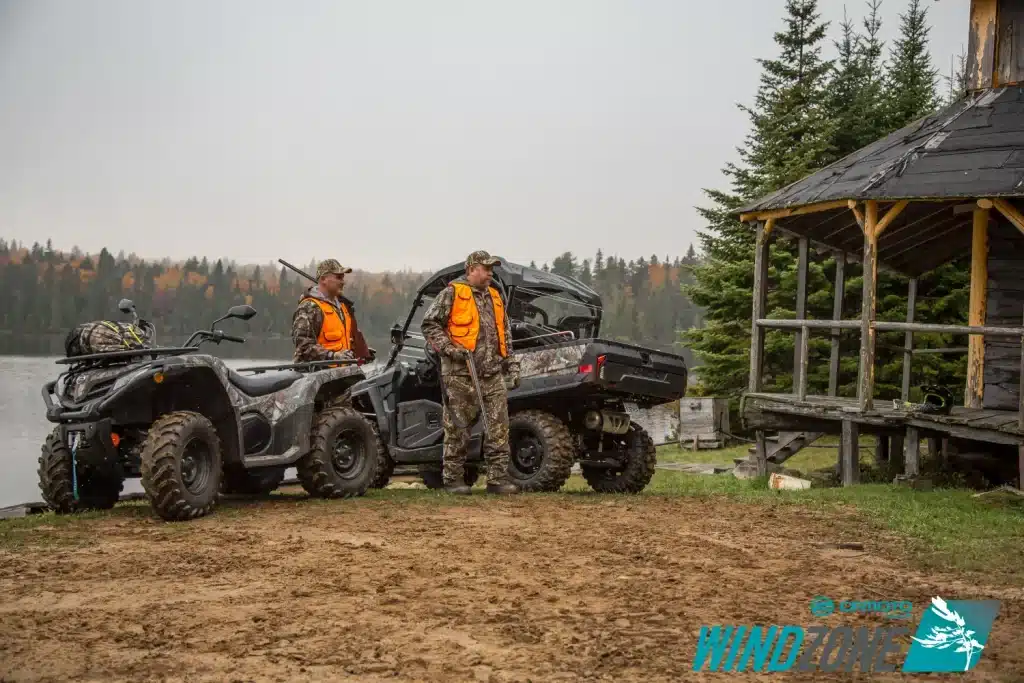


Kimpex

When you have been riding ATVs for a few years, certain names come up often. Kimpex is one of them. The company is best known for its parts and accessories, but its history dates back to 1967. In its early days, Kimpex focused mainly on snowmobile parts. Over time, the company expanded its activities.
Today, its catalogue is much broader. Tires, parts, accessories, equipment and maintenance products: it has a little bit of everything. Its products are designed for ATVs, side-by-sides, snowmobiles, motorcycles and various other recreational vehicles.
For ATV riders, the product range covers many needs: replacing a worn part, adding an accessory or equipping the vehicle before a ride. In short, Kimpex is now one of the well-established companies in the powersports industry.
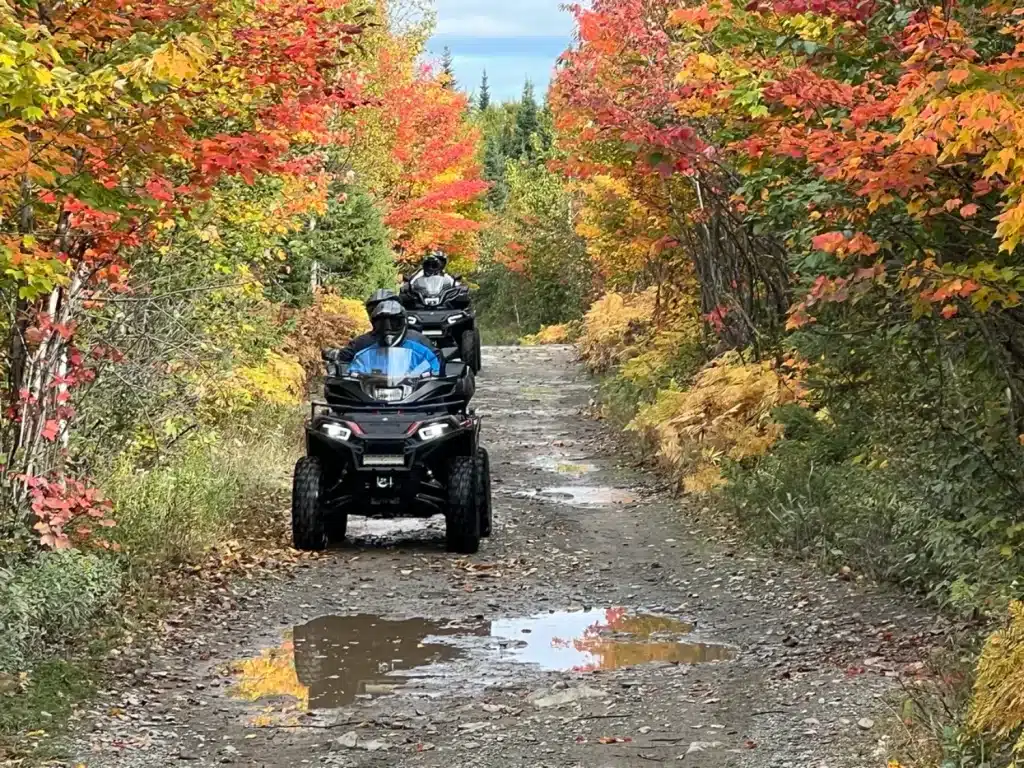
Kimpex also owns several brands of its own. I had the opportunity to try the Kimpex Trail Soldier tires. I tested them for approximately 4,500 km over three seasons: spring, summer and fall.
Technical Details
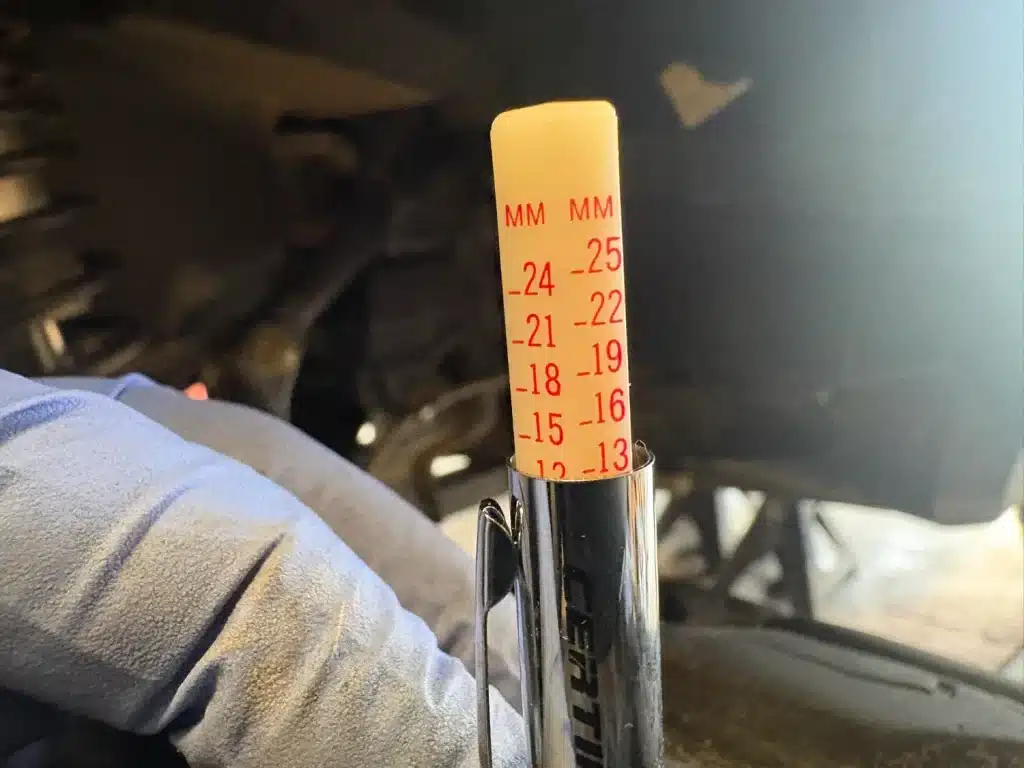
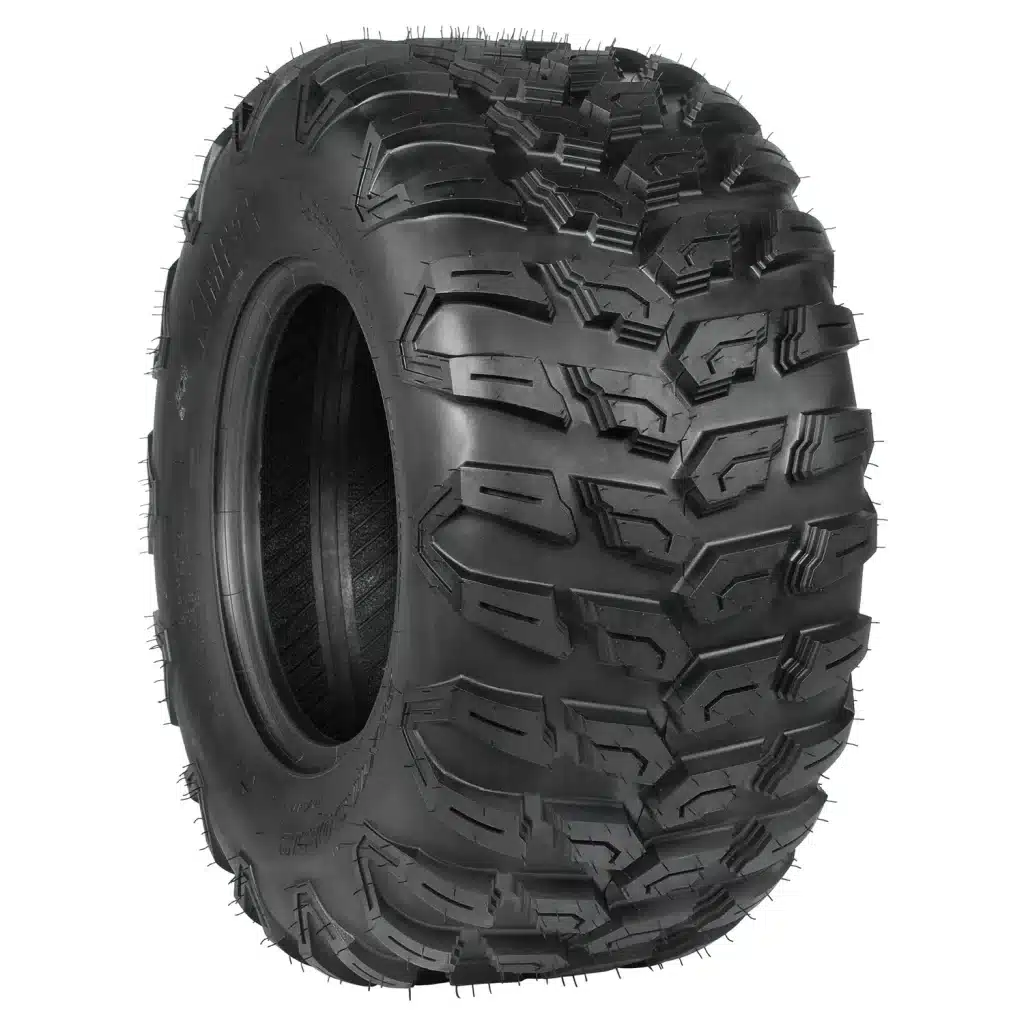
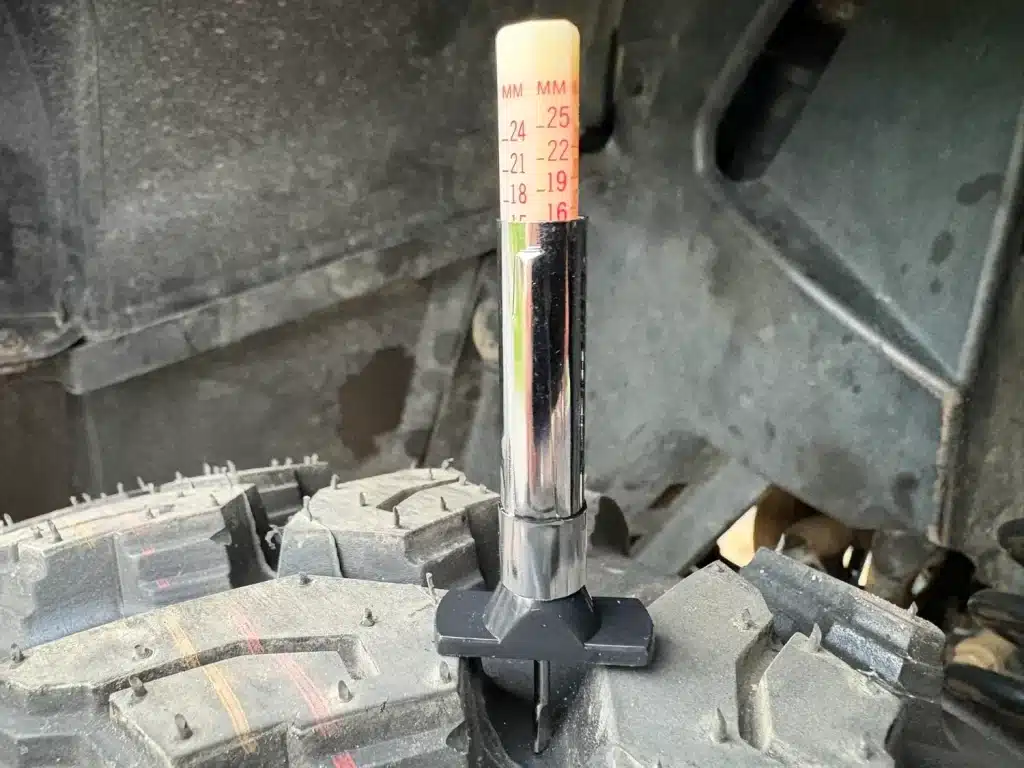
The Trail Soldier is a directional, six-ply radial tire. On the trail, its low-profile 16 mm lugs are immediately noticeable and are designed to offer good versatility. The tire is available in four sizes: 26 x 9 and 26 x 11 for 12- or 14-inch wheels. I also checked the lug height with a gauge, and the measurement confirmed the advertised 16 mm at both the front and rear.
A Very Clear First Impression
Once the tires were installed on the ATV and I started riding, I quickly noticed that the Trail Soldier places more emphasis on strength than comfort.
The tire is firm, its rubber compound is hard, and it transmits more of the terrain’s imperfections. Vibrations are also more noticeable, especially on a hard-packed trail or a surface with little cushioning. It is not unpleasant, just different. My observation is that the tire prefers to take the terrain’s punishment rather than filter out imperfections for the rider. As a result, this stiffness creates a sense of ruggedness. You only need to touch the rubber to notice it: there is little flex, and it seems designed more for durability than for a plush ride.
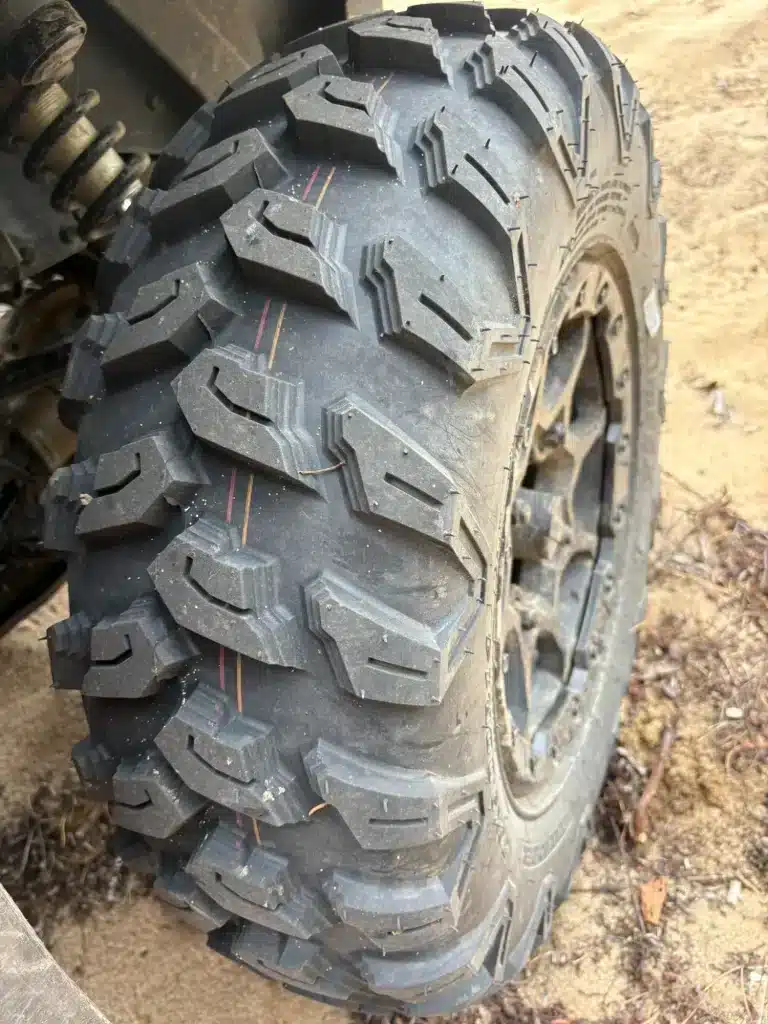
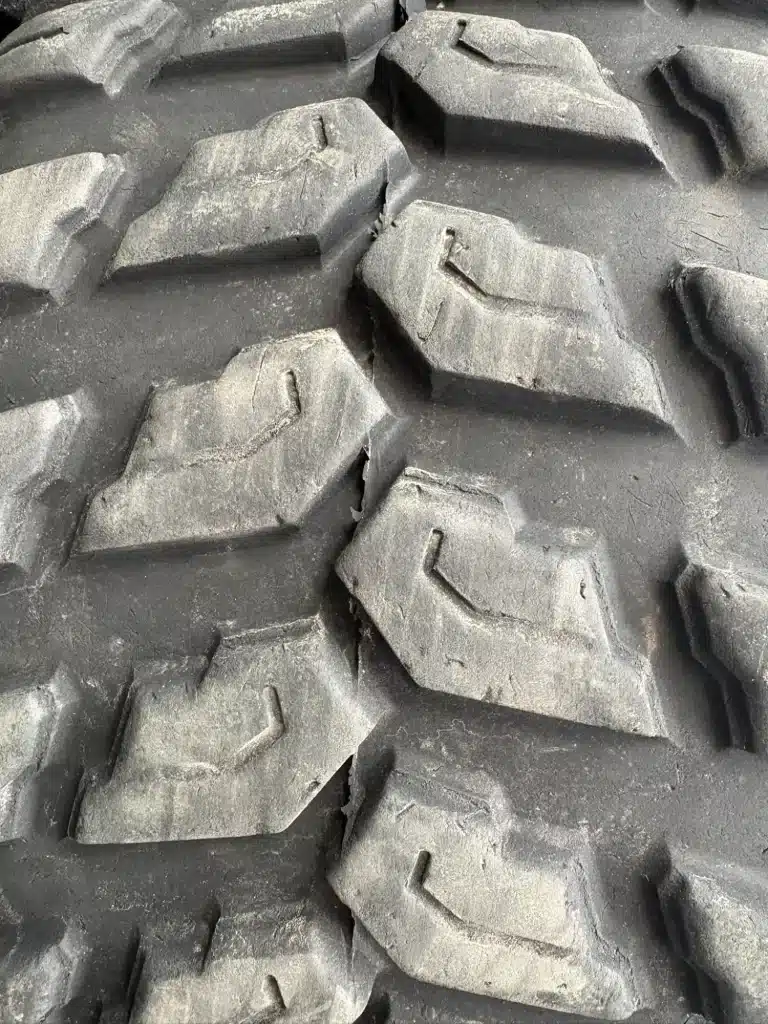
But there are two advantages: wear is slow, and the tire flexes less in tight turns. After several rides, I did not feel that the kilometres had caused significant tire wear.
Another strength is puncture resistance. No tire is immune to everything. A sharp rock or a metal object can always win against a tire. Its construction and hard rubber compound give it a solid feel. On sections that are more prone to punctures, such as the notorious flat, slab-like rocks, the tires proved highly resistant.
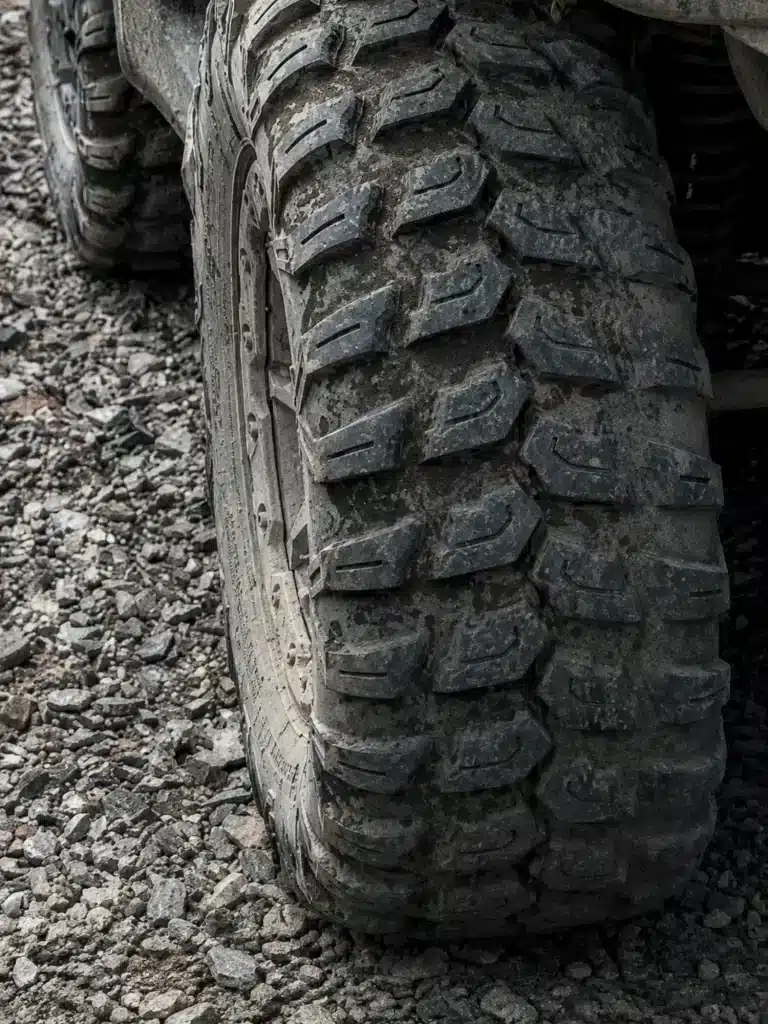
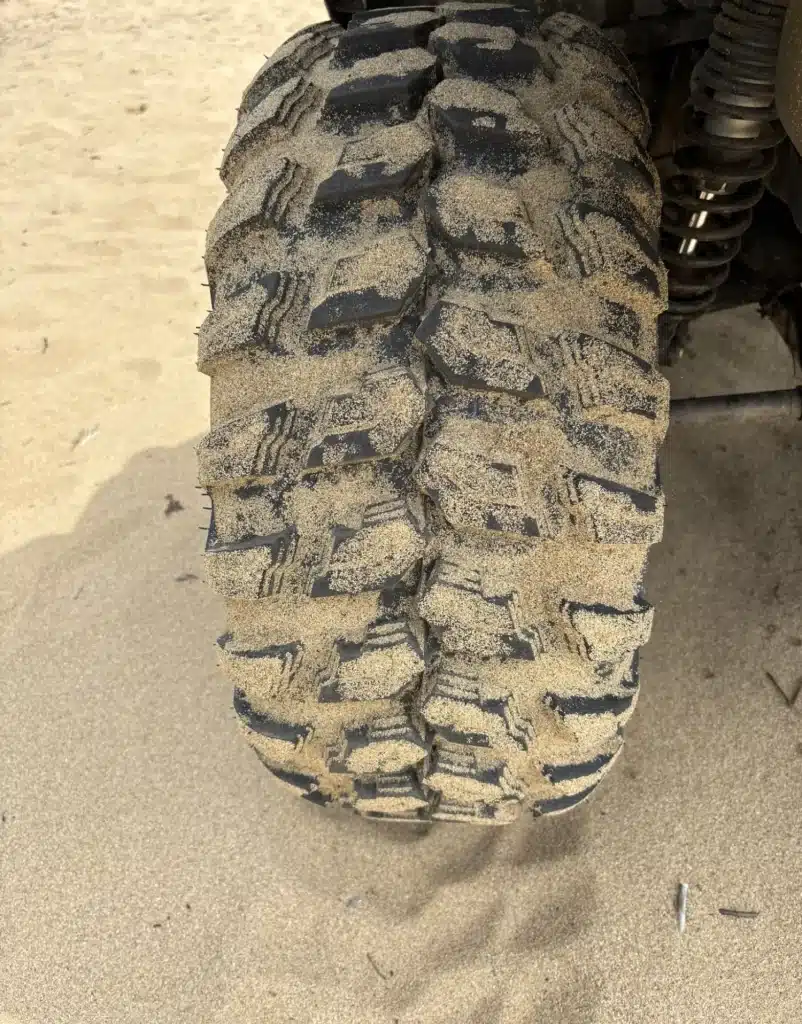
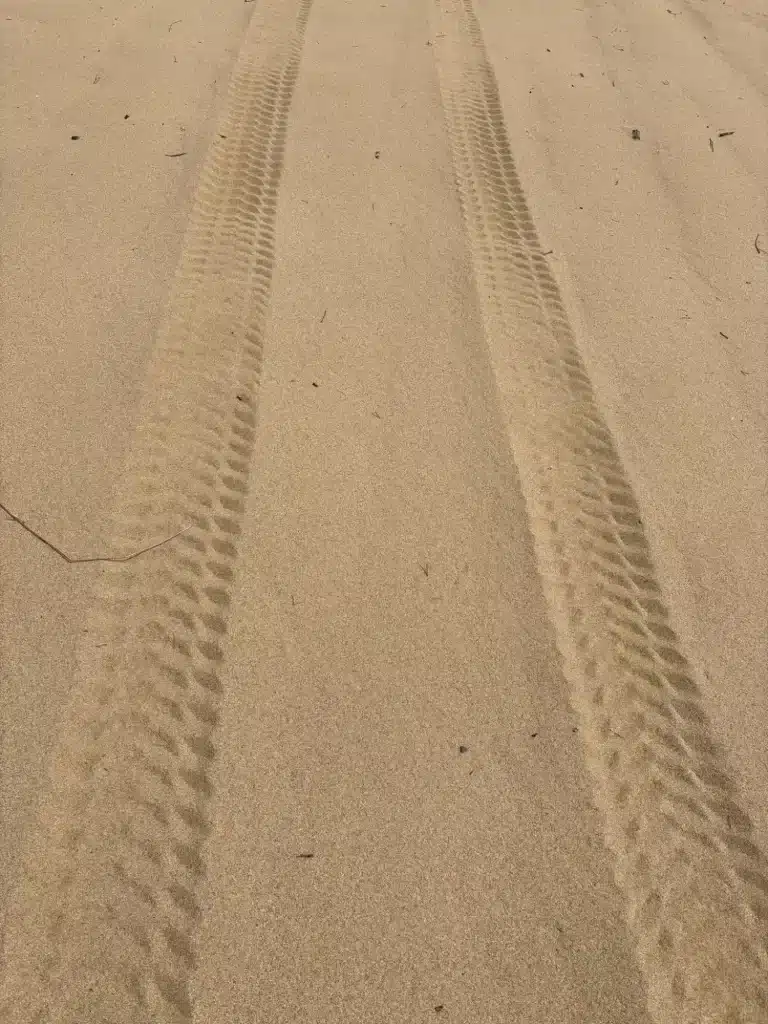
On sandy surfaces, such as beaches, the tires are particularly effective. They do not try to dig in. To maximize traction on this type of surface, tire pressure should be reduced slightly, but that approach applies to all tires.
Wet Surfaces
I began to see the Trail Soldier’s limitations when the terrain became wet, likely because of the hard rubber compound. On a wet surface, the tire becomes more slippery. You therefore need to be a little gentler with the throttle, particularly in a turn or on a low-traction climb.
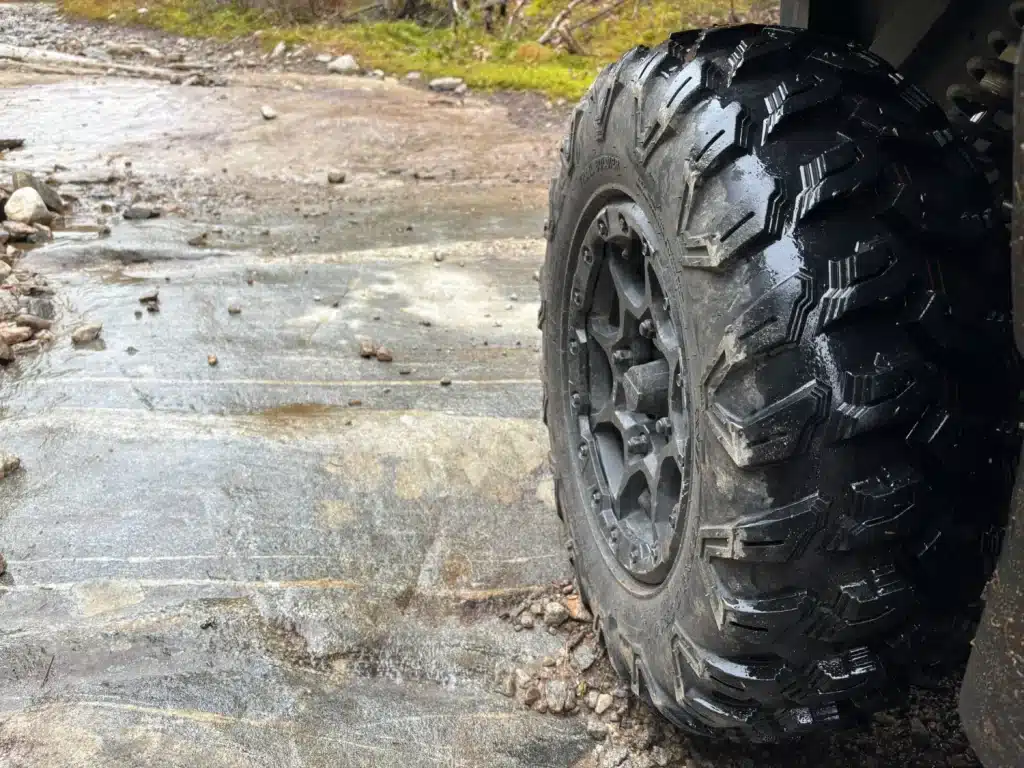
On clay, grip is somewhat reduced, and the tire can easily break traction when the ATV is pushed. You need to adapt your riding style and should not expect the same bite as on dry ground.
Questions About Winter Performance
I did not have the opportunity to test the Trail Soldier in winter. However, I wonder whether the compound could harden even more at low temperatures, which might reduce traction. This is something that remains to be tested.
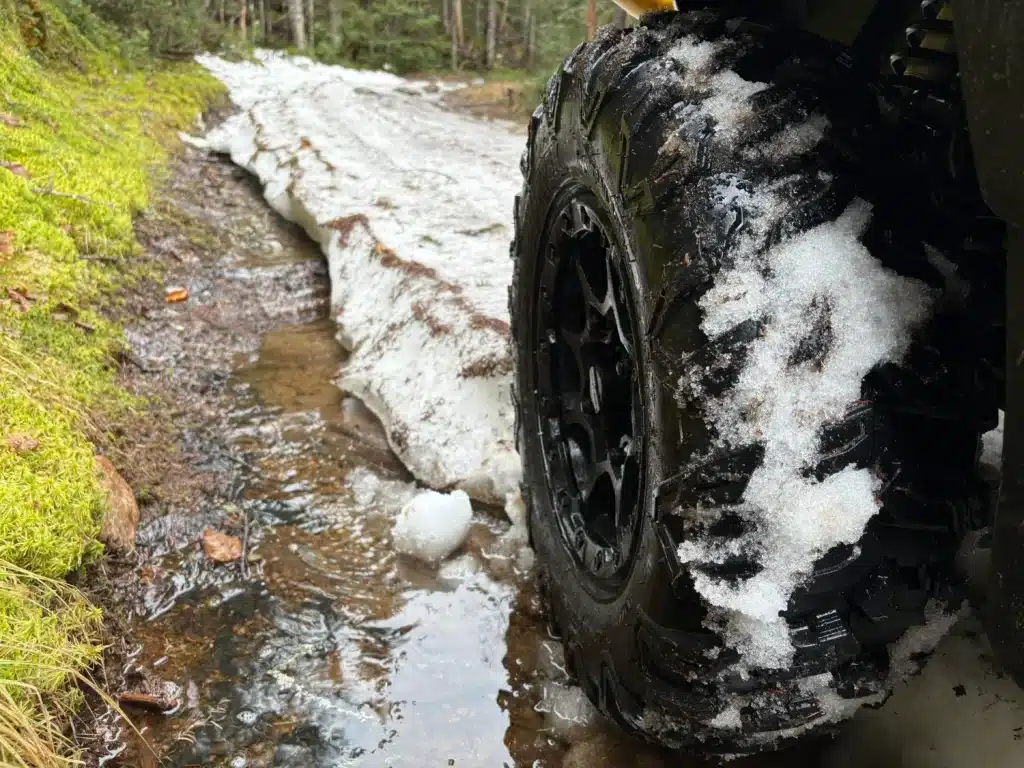
I was able to try the tires on a few patches of snow on the trails in spring. They performed well. Traction was good, and I did not feel them slipping. The difference here was that the outside temperature was warmer, so the rubber retained some flexibility. In addition, the snow was packed and closer to a mixture of ice and snow.
Beadlock Ring
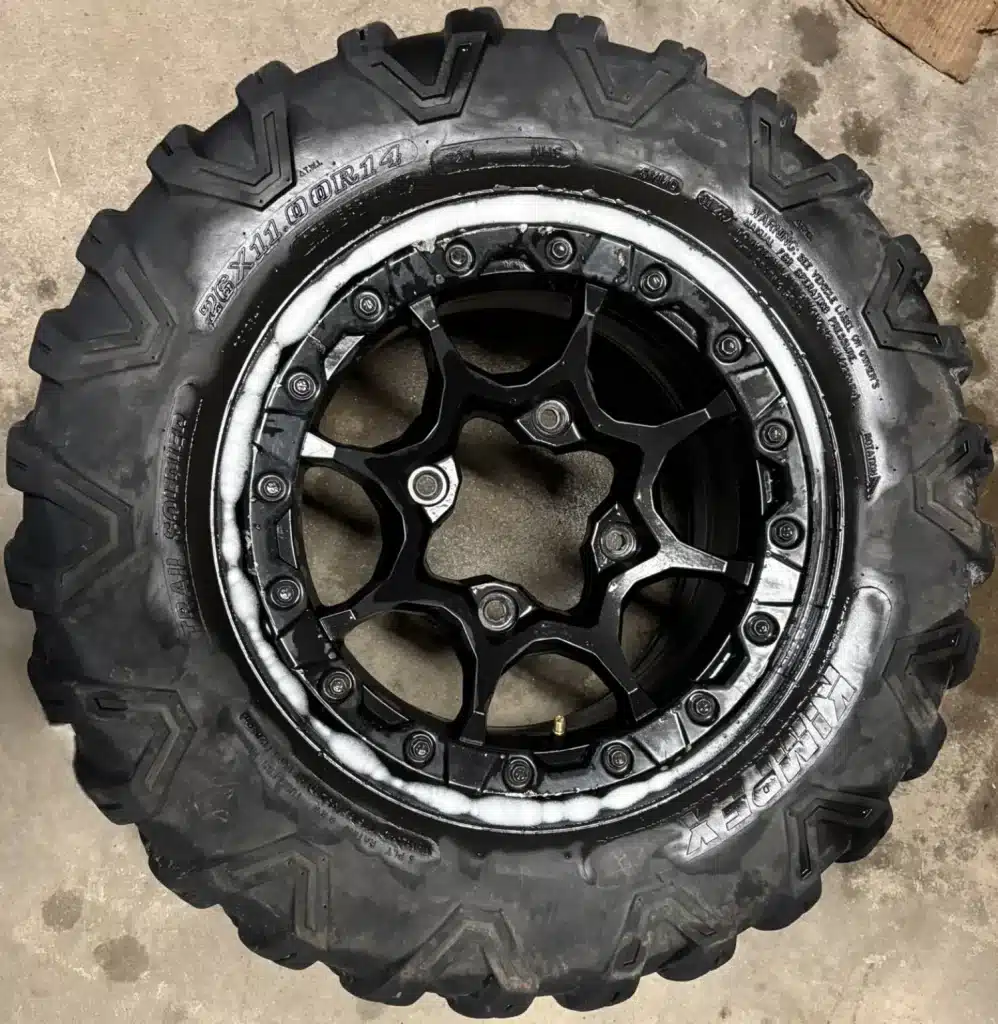
On some ATV models, the wheels are equipped with a beadlock ring. The tire does not appear to be perfectly suited to this type of wheel. Air leaks slightly at the beadlock ring despite following proper installation practices, including the use of a torque wrench. In my case, all four wheels leaked, some more than others. After taking measurements with a caliper, I found that the tire bead was, on average, approximately 2.5 mm thinner than the bead on the original tires. Is this what causes the issue, combined with the stiffness of the compound? I do not have a definitive answer.
Conclusion
After putting them to the test on several types of terrain, my main takeaways are their strength and durability. These tires are a good choice for work and shorter rides, where those qualities are often valued. However, pay particular attention if your wheels are equipped with beadlock rings.
In terms of wear, after approximately 4,500 km, the lugs lost an average of 3 mm in height, going from 16 mm to 13 mm, which is very good.