

Two years ago, the entry-level Outlander 450 and 570 have been replaced by the new Can-Am 500 and 700. These newcomers have a level of refinement that reshuffles the cards in the category.
These ATVs are not compact vehicles like the outgoing 450/570. The body, which offers a very nice finish, has wide fenders and engine covers that will protect you very effectively from wheel splashes. The riding position is high and uncluttered with an almost perfect handlebar/footboard/saddle triangle. Note the saddle which has one of the softest padding in the category.
In order to properly manage the heat generation for the occupants, the motors were installed in the frame with the head facing backwards. The result is convincing because we don’t feel any heat in our legs, even during intensive driving.
The engines are 500 cc and 700 cc single-cylinder engines. They are actually the same engine blocks with different cylinder heads and engine mapping. Many were skeptical when they saw a single-cylinder replace the Rotax 570 V-Twin. The new Rotax 700 has 50 horsepower and 41 lbs-ft of torque. The power is actually very comparable to the old 570. In fact, during a marathon test of 1400 km around the Gaspésia Peninsula, we never had the impression of running out of power. The new one offers good linear tone at all revs, making it a well-balanced engine that’s a pleasure to use. As for the 500 cc engine. It produces 40 horsepower and 37 lb-ft of torque.
Power is transmitted to the ground via a continuously variable transmission that works smoothly and quietly. The four-wheel drive system found on almost all trims (the Outlander 500 2WD is two-wheel drive only) is equipped with a electric switchable front differential. The differentials have a varying level of auto-lock sophistication depending on the Outlander version.
The Outlander 500/700 has four-wheel independent suspension and can be equipped with tri-mode power steering, available as an option depending on the model chosen. The trail handling is very healthy and comfortable. Power steering is a precision model that allows you to position yourself precisely where you want on the trail. The suspension works together to keep the vehicle stable on the trail. The cushioning is very comfortable and the well-padded saddle helps greatly to ensure days of riding without too much fatigue. It should also be noted that the passenger space in the rear is among the most spacious and user-friendly.
The Outlander 500 2WD is the entry-level model. It does not have power steering or four-wheel drive.
- The Outlander 500/700 adds four-wheel drive and the choice of a 700cc engine.
- Outlander 500/700 DPS adds power steering.
- Outlander 700 XT adds a 3500 lb. winch, front and rear bumpers, premium cell phone and charger glove box, 26-inch XPS Trail Force tires on 14-inch aluminum wheels.
- The Outlander X MR 700, specialized for mud, features a relocated radiator, a raised engine air intake snorkel, a Visco-4lok front differential, a premium glove box for cell phone and magazine, XPS Swamp King 28-inch tires on a 14-inch aluminum wheel, a front bumper.
In the two-seaters:
- The Outlander MAX DPS 500/700 comes with tri-mode power steering and a Viski-Lok QE limited-slip front differential.
- Outlander Max 700 XT adds 3500 lb. winch, front and rear bumpers.
WHAT’S UP?
New colors.
We appreciate:
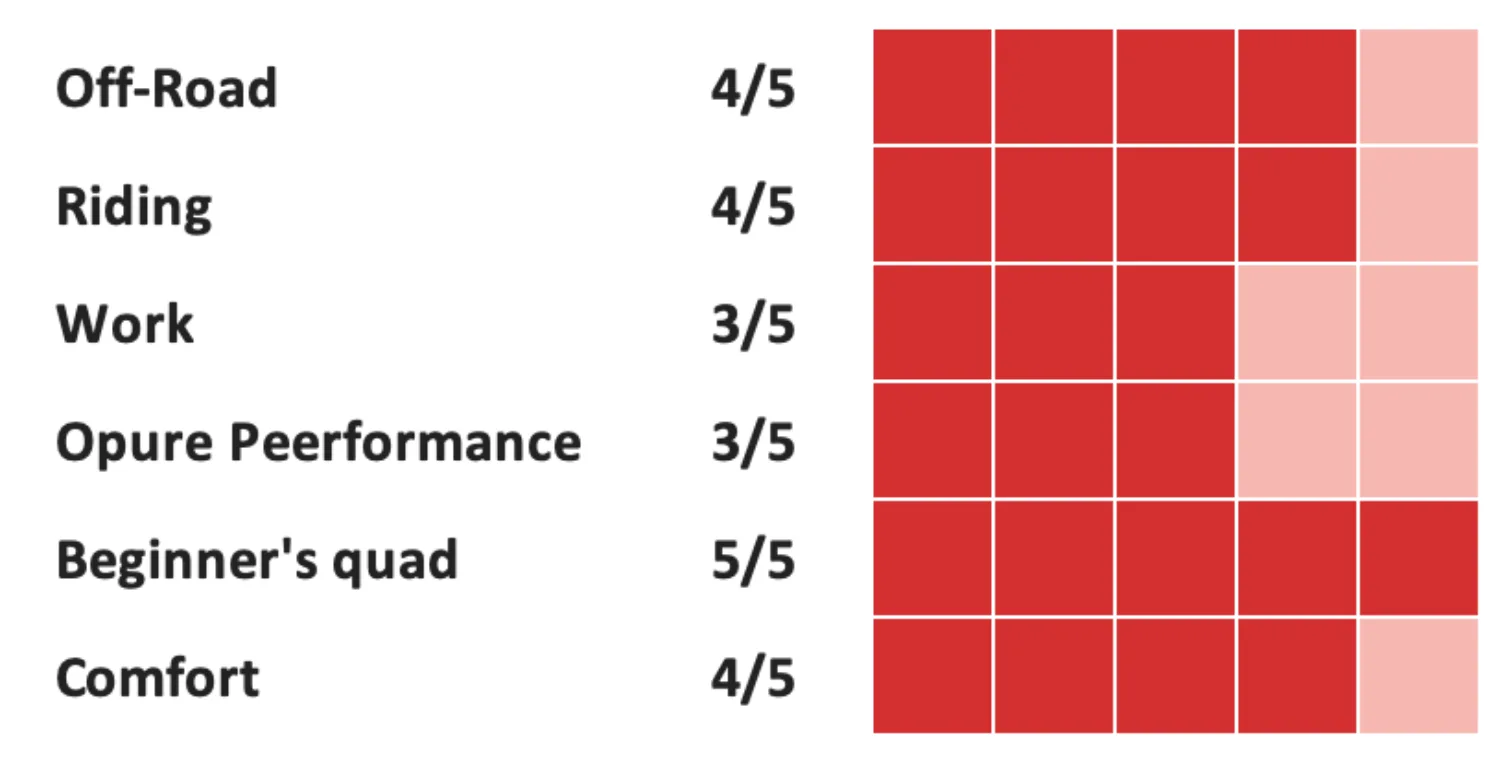
- The overall performance of the Outlander 700, which is very competent in all areas: performance, comfort, handling. The 700 is a point-to-point model.
- The variety of versions offered. There is a 700 for everyone’s needs.
What we don’t like:
- The Outlander X MR 700 doesn’t have a winch?
- The throttle is too stiff to operate.
Skills: