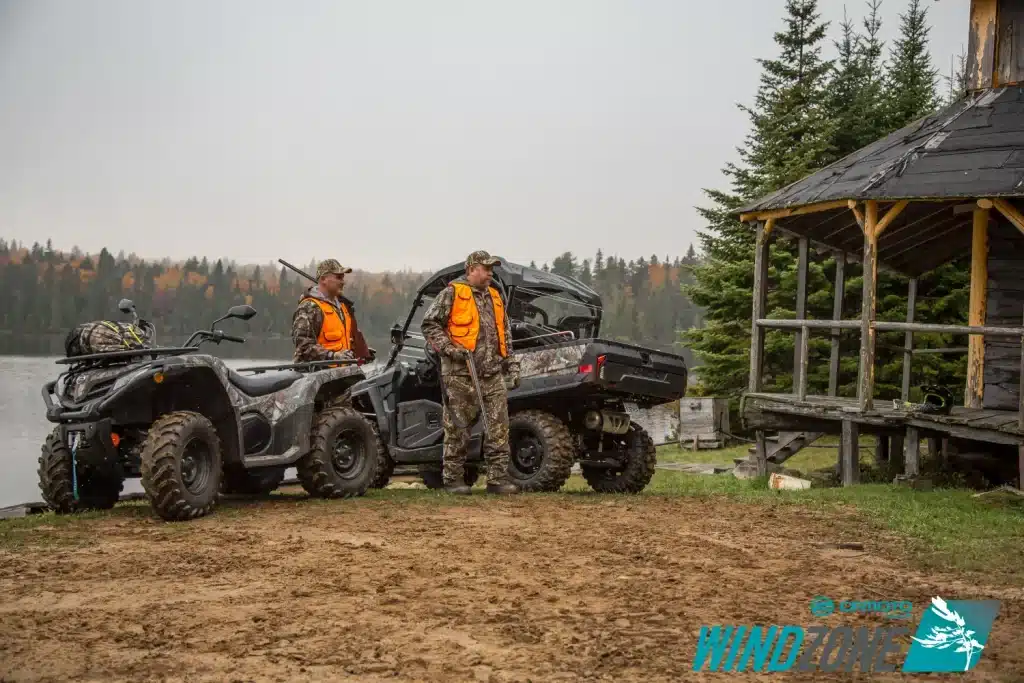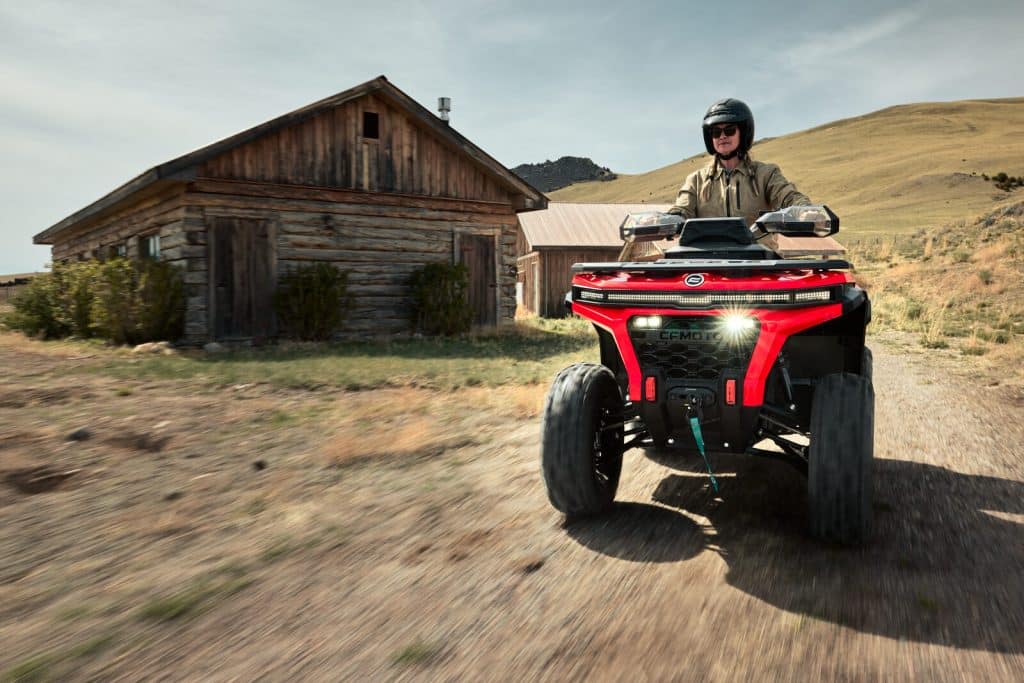


Although all-terrain vehicles (ATVs/quads) are extremely popular in Canada, the general public and some health professionals still often perceive them as sedentary leisure activities because they are motorized. However, the benefits of this activity are very real, and science has finally proven it. A major study entitled “Physiological Requirements of Off-Road Vehicle Driving,” conducted by York University in 2010, quantified the metabolic demands and muscle strengthening of this activity to determine its real contribution to maintaining fitness.
A rigorous methodology
To carry out this research, scientists in Toronto recruited 128 regular drivers (56 ATV enthusiasts and 72 off-road motorcycle enthusiasts), as the study covered both types of off-road vehicles. The survey focused on two areas:
- Laboratory assessments: measurements of basic physical fitness, grip strength, and upper and lower limb muscle power.
- Field assessments: Participants completed a typical 45-minute trail ride. Portable oxygen analyzers measured oxygen consumption in real time, while monitors tracked heart rate.
Moderate to vigorous effort
The results reveal that off-road riding is far from passive. The average cardiovascular intensity recorded for quad riding was 12.1 ml/kg/min. According to public health standards, these metabolic data classify ATV riding as a moderate-intensity activity. The circulatory effort required is therefore comparable to that of brisk walking (approximately 5-6 km/h) or recreational cycling.
Significant muscle strain
One of the highlights of the study concerns physical fatigue. After only 45 minutes of riding, the researchers observed a significant decrease in strength in the hands and legs.
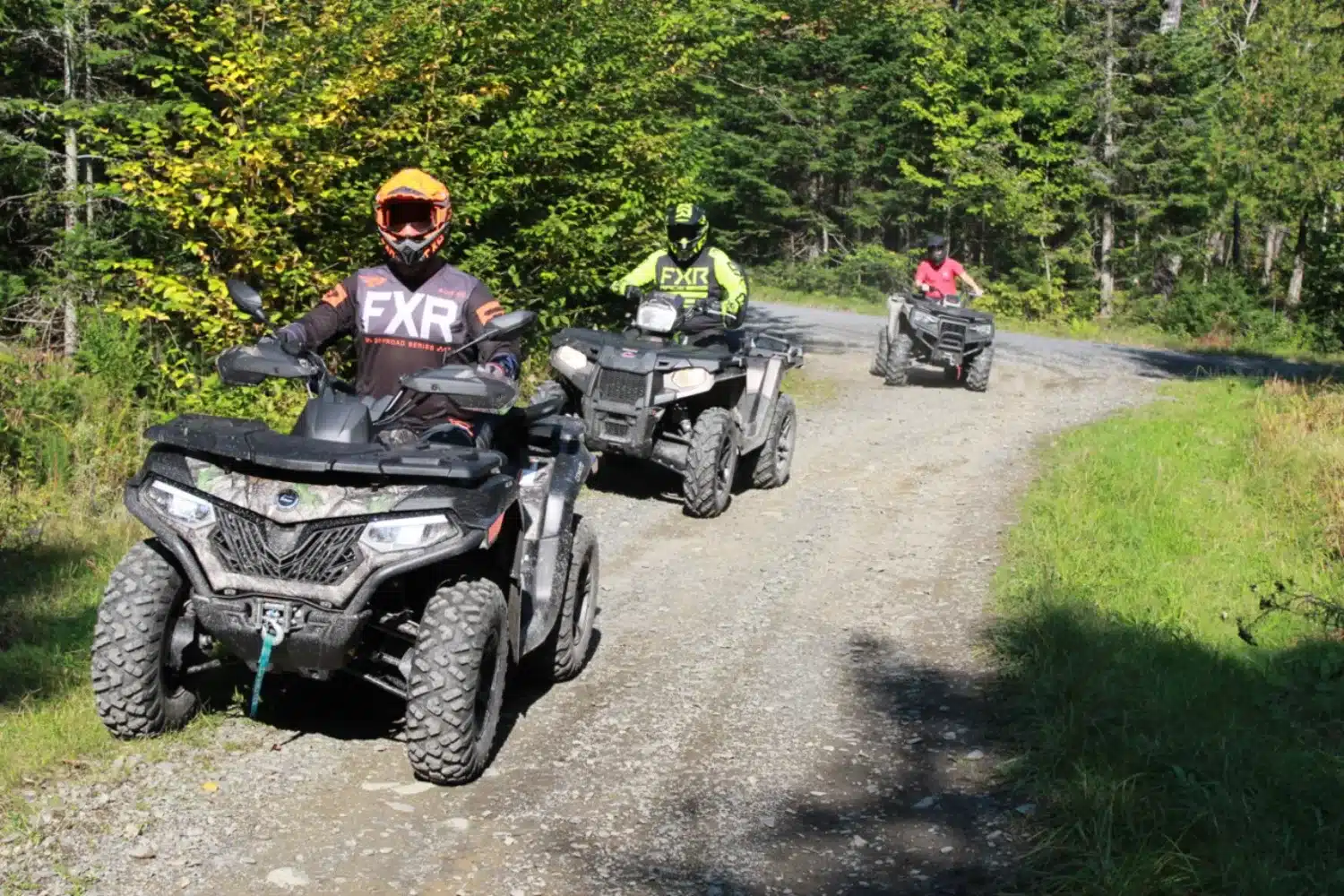
Unlike driving a car, ATV riders must constantly adjust their bodies, stand up, counterbalance the vehicle, and absorb shocks. This requires constant isometric and dynamic contraction of the muscles in the trunk, arms, and legs. Using the throttle trigger with the thumb puts a lot of strain on the hand and forearm, as does frequent use of the brake levers on technical terrain.
A complete and recognized sport
The conclusions of this research allow for ATV riding to be included in the recommendations of the “Canadian 24-Hour Movement Guidelines for Adults.” The study also highlights that frequent riders have greater core endurance and muscle strength than the average sedentary population, confirming a long-term training effect.
Although powered by an engine, this activity stimulates the cardiovascular system enough to promote calorie expenditure, thereby facilitating weight management and the prevention of metabolic diseases.
Essential benefits for mental balance
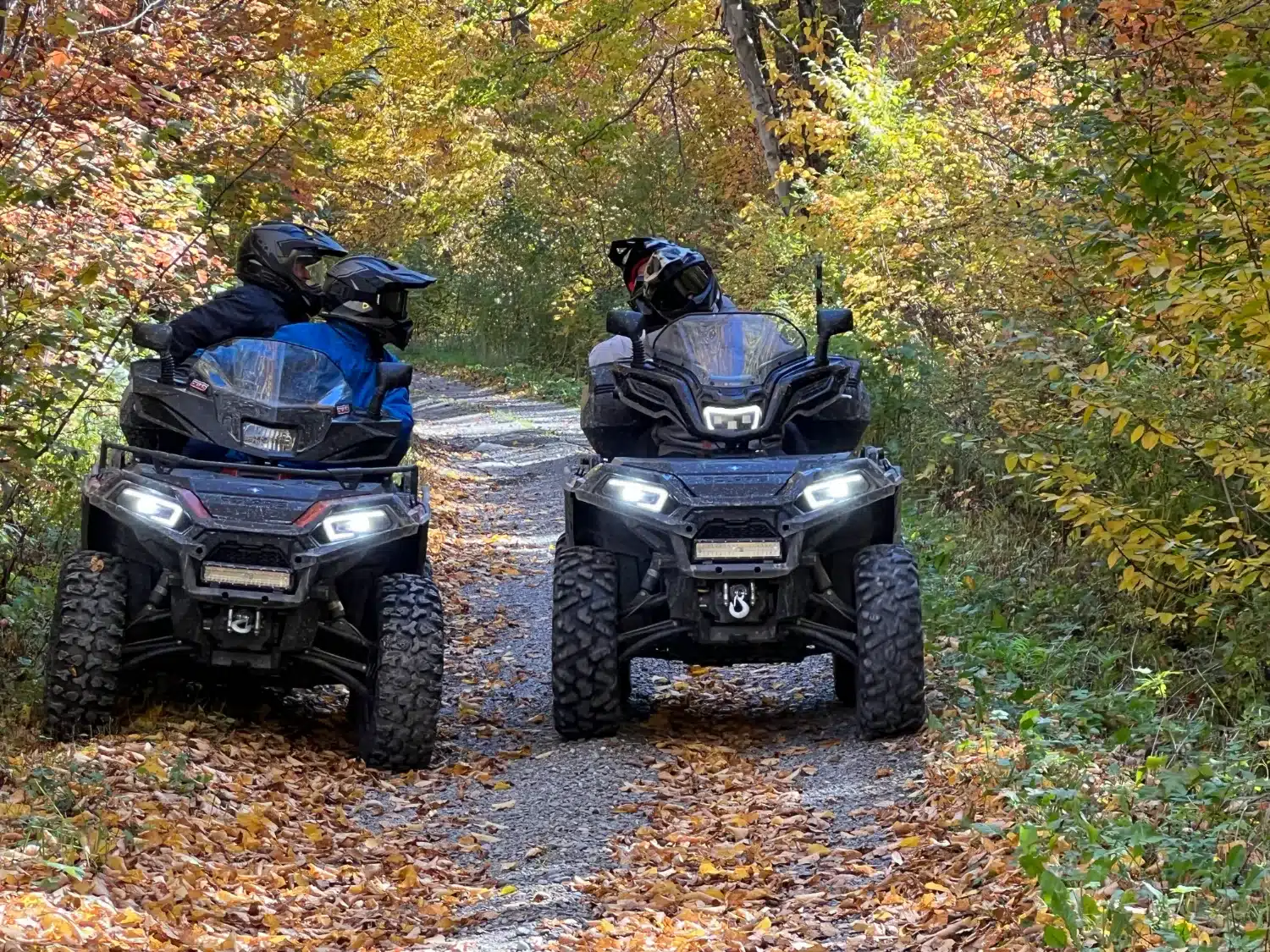
Beyond physical exercise, ATV riding provides real support for psychological health. As the INSPQ points out, group leisure activities have great potential to increase well-being and reduce symptoms related to mental disorders.
By crisscrossing the trails, users are exposed to natural light, a key factor which, according to the work of Pinchasov et al. (2000), has a positive effect on depressive states. Physiologically, immersion in nature leads to a marked reduction in cortisol, the stress hormone. This benefit is in addition to the release of endorphins and dopamine triggered by the effort of riding.
Safety and preparation
In summary, this academic research proves that quad riding is a comprehensive sport that really works the heart and muscles. However, the researchers recommend practicing safely. The muscle fatigue observed at the end of a ride can increase the risk of losing control. Physical preparation focused on strengthening the legs and upper body is therefore recommended to improve both enjoyment and safety when riding.
Sources :
- Pinchasov, B. B., et al. (2000). Mood and energy regulation in seasonal and non-seasonal depression
- Étude Burr et al. (2010) sur les demandes physiologiques du tout-terrain
- Directives canadiennes en matière de mouvement
- Institut national de santé publique du Québec (INSPQ): Activité physique et santé mentale
- Interagir avec la nature est bon pour la santé mentale (dr Bergman)